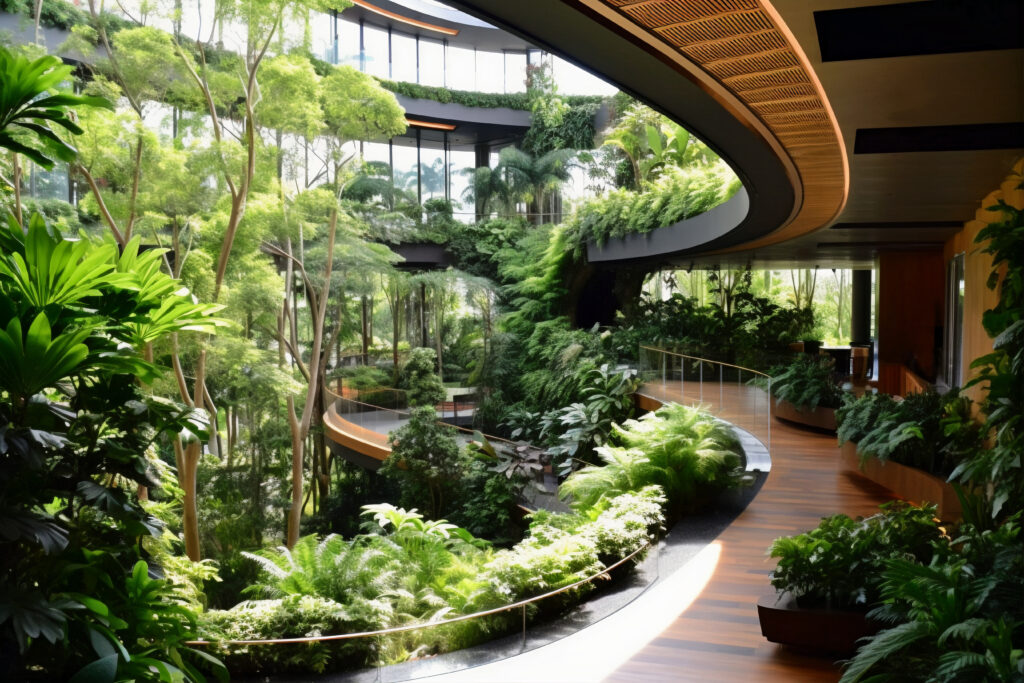
In today’s rapidly urbanizing world, the demand for thoughtfully designed public spaces that connect people with nature is more important than ever. Eco-friendly public spaces represent a modern shift in architecture and urban planning—focusing on sustainability, environmental health, and community well- being. Rather than building over nature, architects and planners are learning to build with it, creating spaces that serve both ecological and social functions.
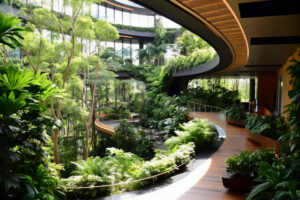
The concept of blending architecture with nature involves more than just adding greenery. It’s about integrating natural elements into the very design philosophy—from choosing sustainable materials to shaping landscapes that conserve water, reduce heat, and support biodiversity. Examples include bioswales, rain gardens, permeable pavements, solar lighting, and green roofs—all of which reduce environmental impact while enhancing the aesthetic and functional value of public spaces.
One of the key benefits of eco-friendly public spaces is their positive impact on urban life. Well-designed parks, promenades, and open plazas help reduce urban heat islands, improve air quality, and encourage healthier lifestyles through walkability and recreation. Natural design also plays a psychological role: being around greenery and open space is proven to reduce stress, enhance creativity, and foster a sense of community belonging.
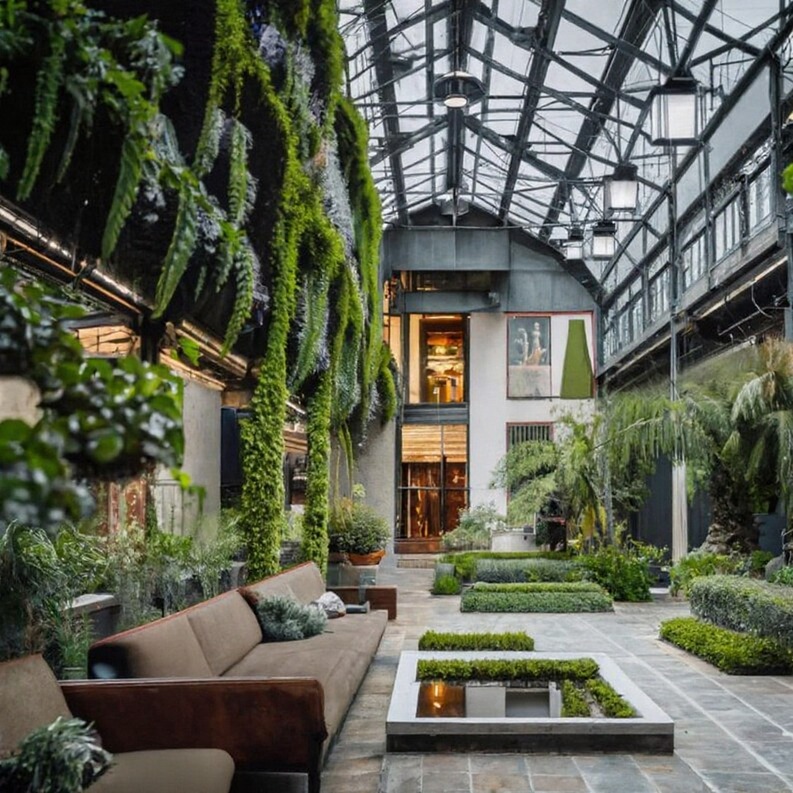
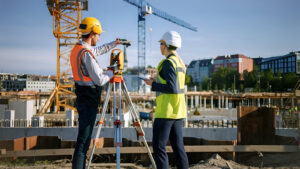
For architects and Project Management Consultants (PMC), the development of such spaces presents both a challenge and an opportunity. It requires collaborative planning, smart material selection, and detailed environmental analysis. Design choices must balance usability with preservation, making sure that structures complement natural features rather than overpower them. PMC teams play a critical role in overseeing sustainability compliance, managing budgets for green technologies, and ensuring long term maintenance strategies.
As cities continue to grow, eco friendly architecture in public spaces is no longer optional—it’s essential. The future of urban development depends on our ability to merge innovation with environmental consciousness. Whether it’s a community park, an urban plaza, or a recreational zone, public spaces that embrace nature are an investment in both the environment and the people who inhabit it. When we design with nature in mind, we don’t just build better cities—we build a better future.