
Architectural designing is far more than just creating blueprints—it’s the art and science of shaping environments where people live, work, and interact. It involves a comprehensive process that includes planning, conceptualization, and the detailed development of buildings and infrastructure. Architects are tasked with crafting spaces that are not only functional and structurally sound but also sustainable and visually compelling. Their work forms the bridge between abstract ideas and practical, livable structures, combining creativity with engineering principles to meet both aesthetic and regulatory demands.
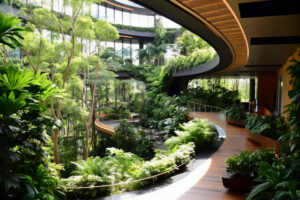
The future of architectural design is being reshaped by rapid advancements in technology and the growing emphasis on sustainability. Smart architecture now incorporates automation, IoT sensors, and responsive building systems to enhance energy efficiency and user experience. Sustainable design practices prioritize eco-friendly materials, passive climate control strategies, and energy conservation.
At the forefront of design innovation, parametric architecture allows architects to use algorithms for optimizing shapes and structures based on real-world variables. Furthermore, Virtual Reality (VR) and Augmented Reality (AR) are transforming client engagement, offering immersive previews of spaces before construction. Finally, 3D printing and modular construction are streamlining workflows, reducing costs, and opening new possibilities in both design and delivery.
The applications of architectural design span a wide array of sectors. From residential townships to commercial office complexes, and from public parks and cultural centers to transportation hubs like airports and metro stations, architecture plays a vital role in shaping our built environment. Architectural design is also central to government and institutional buildings, as well as large-scale urban planning and redevelopment projects. In each case, architects consider factors such as purpose, space utilization, environmental impact, and community engagement to deliver spaces that serve both function and form.
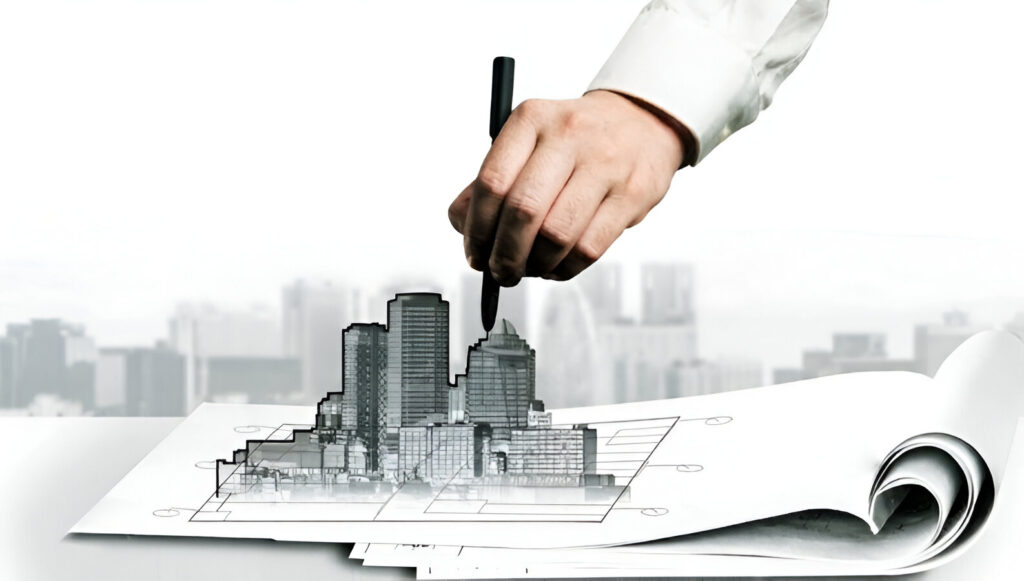
There are numerous benefits to investing in high-quality architectural design. Good design leads to better space utilization, allowing more functionality within the same footprint. It also improves cost control by minimizing material waste and avoiding design errors. Thoughtful architectural planning enhances energy efficiency by leveraging natural light, airflow, and insulation techniques. Aesthetics are also critical—well-designed structures improve property value and contribute to the visual identity of cities. Most importantly, such design ensures user comfort, accessibility, and safety, aligning with national building codes and sustainable construction practices.
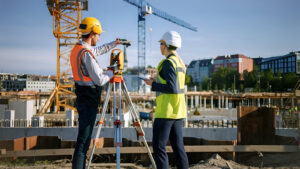
In the realm of civil engineering, architectural design is essential. While engineers focus on structure, materials, and safety, architects provide the overarching vision that defines how infrastructure interacts with people and the surrounding environment. Successful projects depend on close coordination between the two disciplines, ensuring that buildings are not only technically sound but also aligned with user needs and community context. This synergy leads to structures that are durable, efficient, and harmonious with their environment—delivering long-term value for both public and private sector developments.